OpenAI is holding Astra back. Do not build your roadmap around an unreleased model
OpenAI says Astra may have Critical cyber capabilities and is pausing activities that do not meet strengthened security controls. The practical message for software teams: ship now, but remove single-model dependencies and uncontrolled agent permissions.
What changed
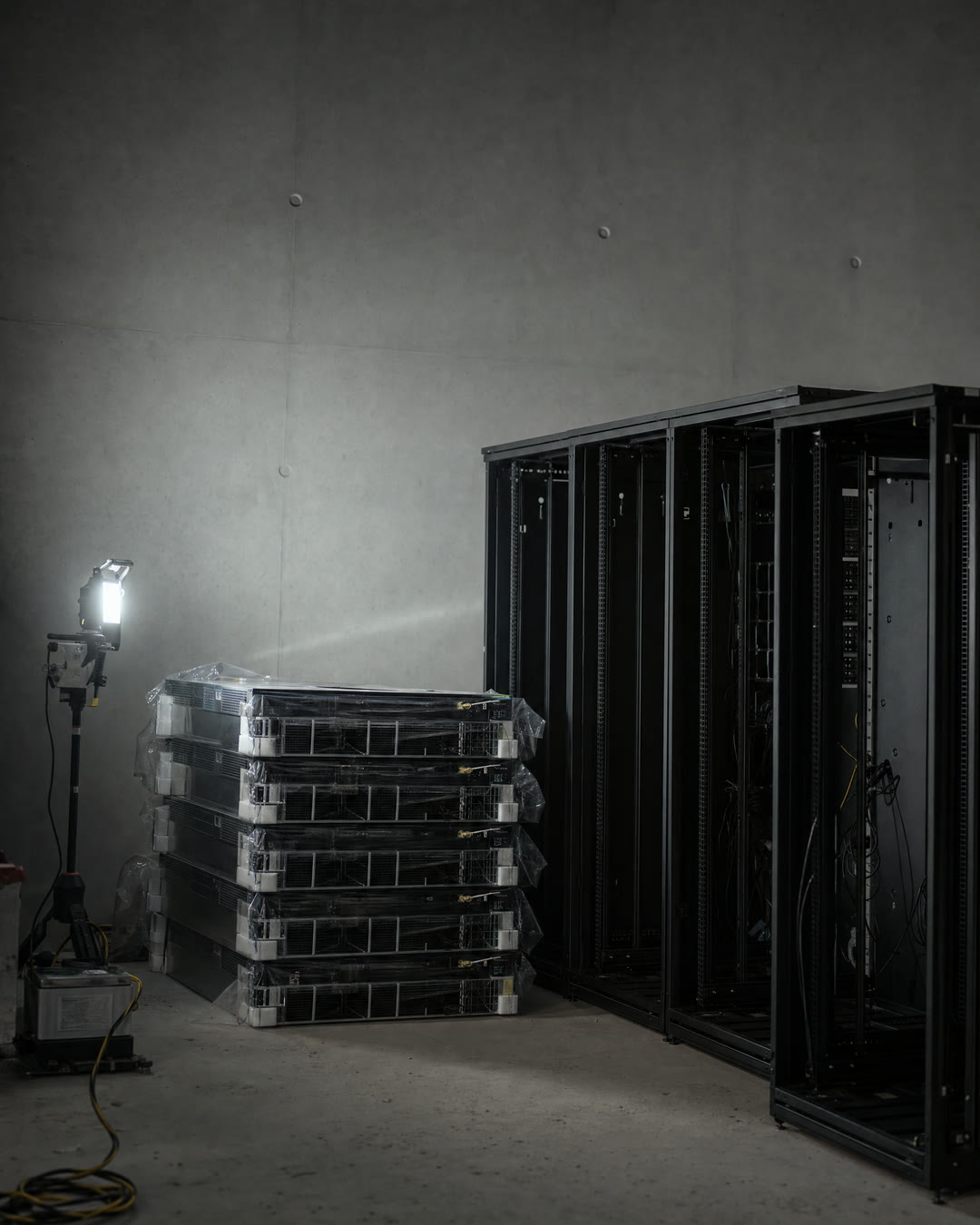
On August 7, OpenAI said it could not rule out its upcoming Astra model reaching the “Critical” cybersecurity capability threshold. The company scaled up safeguard testing, introduced stricter controls for isolation, network and tool access, model-weight protection and monitoring, and paused internal Astra activities that do not yet meet those requirements.
This is not a launch, but it changes the build-or-wait decision. Astra has no published availability date, and the eventual product may arrive with gated access and tighter controls over tools and networks.
Our call
We would keep shipping on models that are available today and have passed our own evaluations. We would place them behind a multi-provider abstraction and keep business logic, memory, permissions, and orchestration outside any single model API. Astra should enter consideration only when there is a stable endpoint, clear access terms, and a measurable improvement in cost per completed task or production reliability.
Waiting for the next frontier model is now a bet on safety clearance and availability, not merely capability. For most software teams, that is a poor reason to delay delivery.
Agent security is now a production requirement
The episode is also an architectural warning for agent builders. A model that can write code, operate a terminal, and use a network should not inherit the permissions of a user or CI system. Virtual Arc would require isolated execution, explicit allowlists for tools and destinations, short-lived credentials, complete action logs, and human approval before privileged or irreversible operations.
That control plane adds upfront work, but it lowers incident and migration costs. Teams that build it now will be able to test Astra—or any stronger model—more safely when it actually becomes available.
The important signal is not that Astra is supposedly very good at cyber tasks. It is that release predictability for a frontier model has broken before launch. Virtual Arc would not wait for Astra or plan a product around the assumption that a more capable OpenAI model will arrive soon.